Modern architecture
has failed.
We are taking action.
Join us!

Our mission

Principles of Failure

We have identified five main Principles of Failure embedded in current architectural practices. It is clear: we need a fundamental SHIFT.

01/05

Uniform Architecture

“One-fits-all” designs that disregard local climate, culture, and context.

Resource ignorance

Energy-intensive buildings relying on carbon-heavy materials, mechanical climate control and cheap energy.

Short-term Responsibility

Buildings prioritized as financial assets over social or functional value.

Car-Centric Urbanism

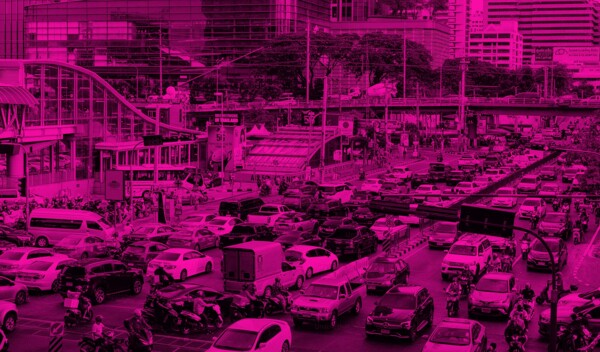
Development patterns favoring automobiles, fueling urban sprawl and urban heat islands.

Social Ignorance

Decisions that overlook planetary well-being and human experiences.

How SHIFT works

Principles of Success

We have formulated a first version of key Principles of Success to guide our designs toward sustainable, resilient, and human-centered solutions, to actively counter the Principles of Failure that have shaped our current architectural practice in the past.

01/10

Breathing Architecture

Designing buildings to allow natural airflow and ventilation, creating healthy, comfortable, and energy-sufficient indoor environments without mechanical systems.

Responsibility for Public Space

Taking responsibility for outdoor public spaces by designing buildings from the outside in, by considering how architecture shapes not only the interiors but also the surrounding environment and the quality of life in adjacent outdoor areas.

Regional and Reclaimed Materials

Selecting locally sourced or recycled low-carbon materials to minimize environmental impact, support the local economy, and create sustainable, durable, and context-sensitive buildings.

Appropriate Comfort Inside & Outside

Designing and adapting buildings and urban spaces to provide natural, low-tech comfort indoors and outdoors through thoughtful passive strategies like orientation, shading, ventilation, and material choices, which allow for individual adaptation.

Multimodal Mobility

Designing and adapting buildings and urban spaces to accommodate multiple transport modes, prioritizing walking, cycling, public transit, and car-sharing, and minimizing underground parking, for flexible and sustainable mobility.

Robustness and Longevity

Constructing buildings to last for many years using durable materials, adaptable layouts, and low-maintenance solutions, ensuring they remain functional, safe, and relevant for future generations.

Adaptive Buildings

Designing non-residential buildings that can adapt to changing needs, uses, or environmental conditions over time, ensuring long-term functionality and flexibility.

Circularity

Designing for disassembly and closed-loop circles.

Sufficiency and Consistency

Designing buildings that can generate or store energy, utilize clean energy sources and systems, and focus on sufficiency in energy and space use.

Positive Impact on Humans and Nature

Designing buildings and urban spaces to improve air quality, support biodiversity, and enhance the microclimate, while creating healthy, enjoyable, and ecologically sensitive environments for people and wildlife.

About SHIFT

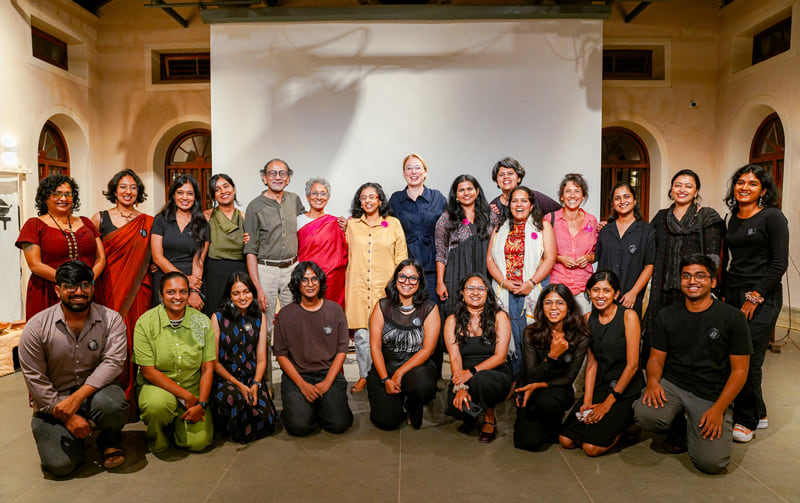
We are a group of architects, scholars, and industry experts from all over the globe. We believe the building industry needs a SHIFT. Through regular workshops, we explore where architecture is going wrong and aim to learn with practitioners and experts from solutions found in the Global South. Our mission is to design scalable, sustainable strategies that will make the whole industry change.

Join our movement

Participants

Are you working on a project that follows the SHIFT philosophy or is committed to specific aspects of the initiative? Then send us your project. We are excited and look forward to receiving your submission.

Supporters

Do you want to become a part of this SHIFT movement and help to make global architecture more resilient, climate-conscious and culturally responsible? Then download the supporter logo and share it in your networks.